
Sleep & recovery
Practical sleep routines for better daytime recovery
The hour before bed, the room you sleep in, and the rhythm you keep across the week. Most of it costs nothing — the hard part is consistency.
Where we start
Why sleep affects how you eat
Sleep is the part of wellbeing people sacrifice first and miss most. Short sleep changes appetite: you are more likely to want quick energy in the morning and to snack in the afternoon, and the effect is strong enough that poor sleep alone can undo a decent diet. That is why we treat sleep as part of nutrition guidance rather than a separate subject — fixing the night often fixes the day without touching the food at all.
20 min
The point at which lying awake stops being rest and starts being frustration — get up, keep the lights low.
2 weeks
How long we ask you to hold a single change before judging it — sleep responds to rhythm, not to effort.
The last hour
The wind-down hour
The hour before bed sets the tone for the night. The specific activity matters less than doing the same thing at roughly the same time each night — a short, repeated routine signals to your body that the day is closing.
-
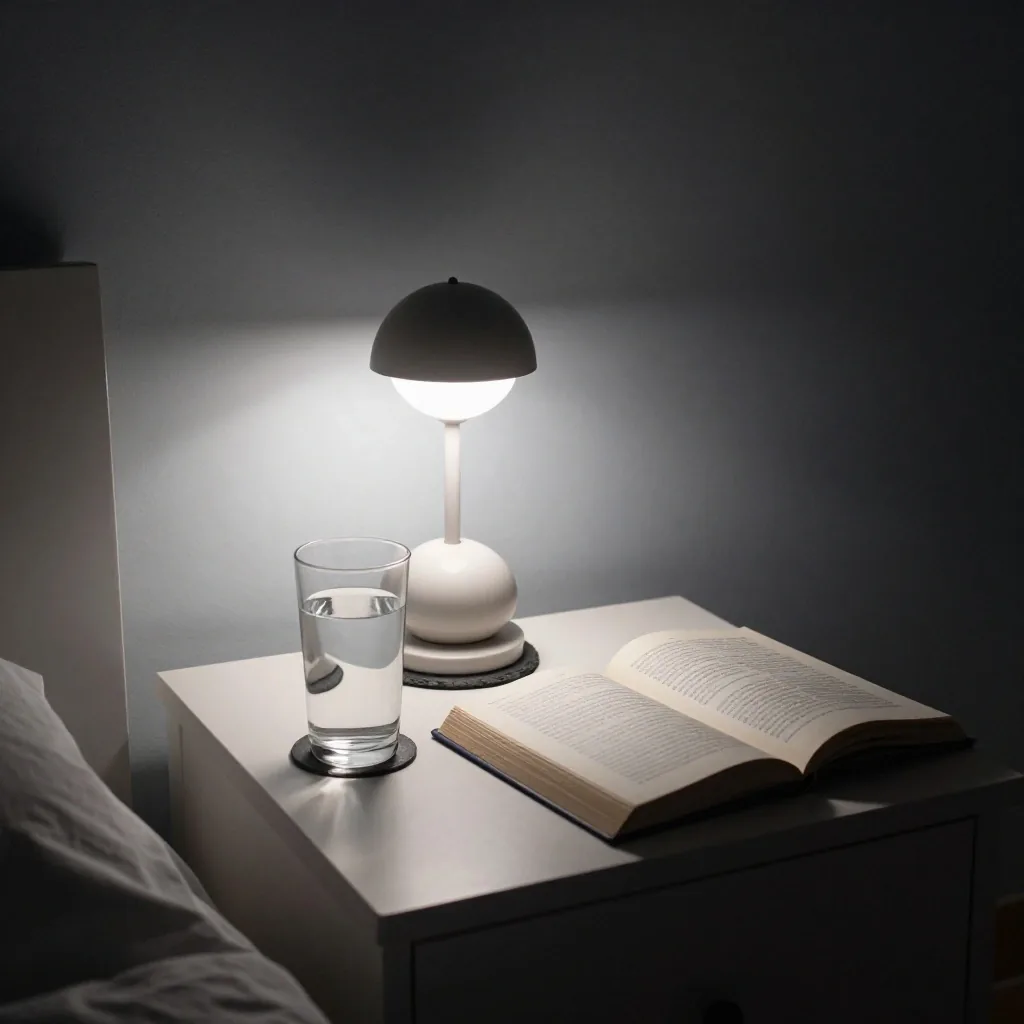
Dim the room before you dim yourself
Drop the main light after dinner and use lamps instead. Bright overhead light in the final hour tells your body the day is still running.
-
Leave a clear gap after a heavy meal
A large late dinner or a big drink close to bedtime keeps the body working while you are trying to switch off. Earlier and lighter is easier to sleep on.
-
Pick one small closing task
Washing up, a shower, a few pages of a book. Repeat it at the same time and it becomes a signal rather than another chore on the list.
-
Keep the last drink a small one
A large drink close to bedtime usually means getting up again in the small hours, which costs more sleep than it ever gave.
The room itself
Light, temperature and noise
A cool, dark, quiet room works better than a warm, bright one, and this is one of the few things you can change tonight. Below is what we usually suggest adjusting first — cheapest and most reversible changes at the top.
What to adjust
What it costs
Why it helps
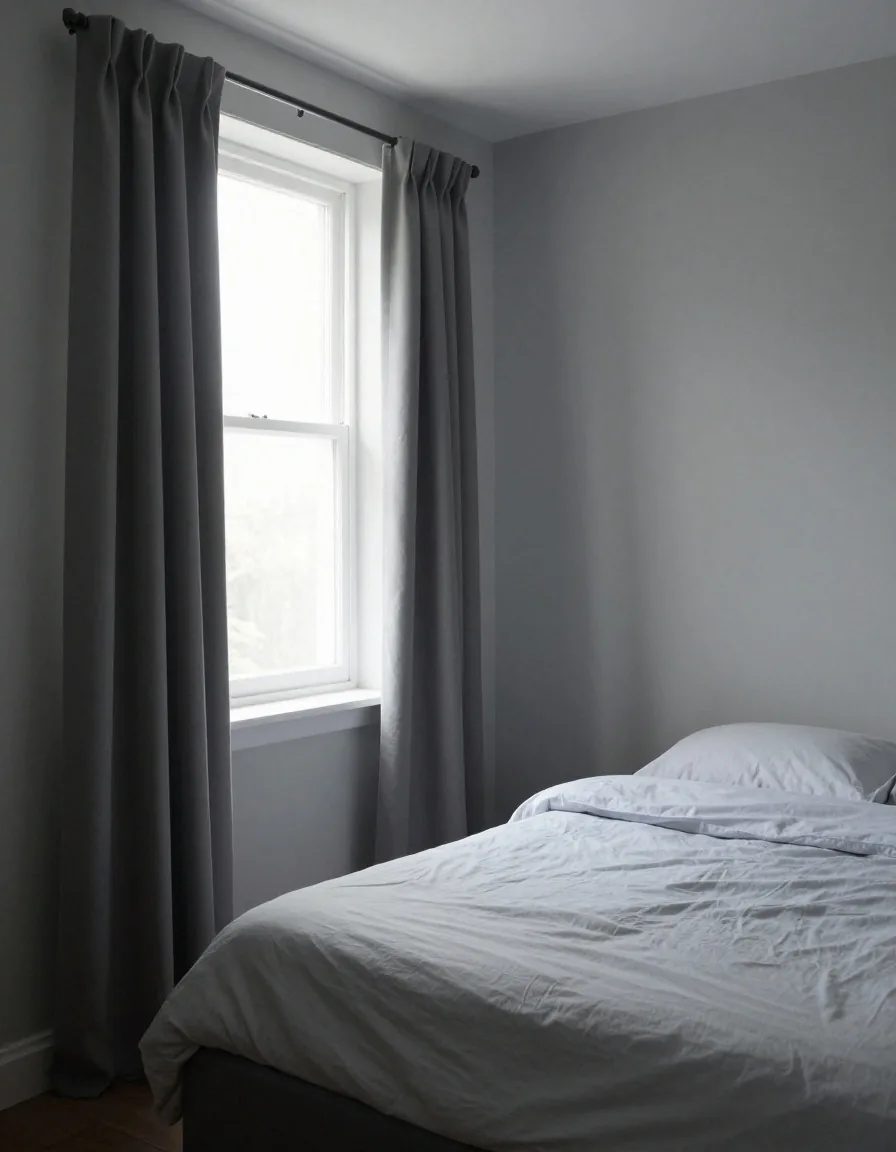
Blackout curtains
A single purchase, reused nightly
Helps most in a UK summer, when daylight can linger past ten in the evening.
A lighter duvet
Nothing, if you already own one
Does the same job as an open window in a centrally heated flat, without the street noise.
A slightly open window
Nothing beyond the heating bill
Moves stale, warm air out of the room. Best in spring and autumn, or in a room that runs hot.
A fan or earplugs
A small one-off cost
More effective than trying to ignore noise, which keeps attention switched on.
Timing
Caffeine and alcohol timing
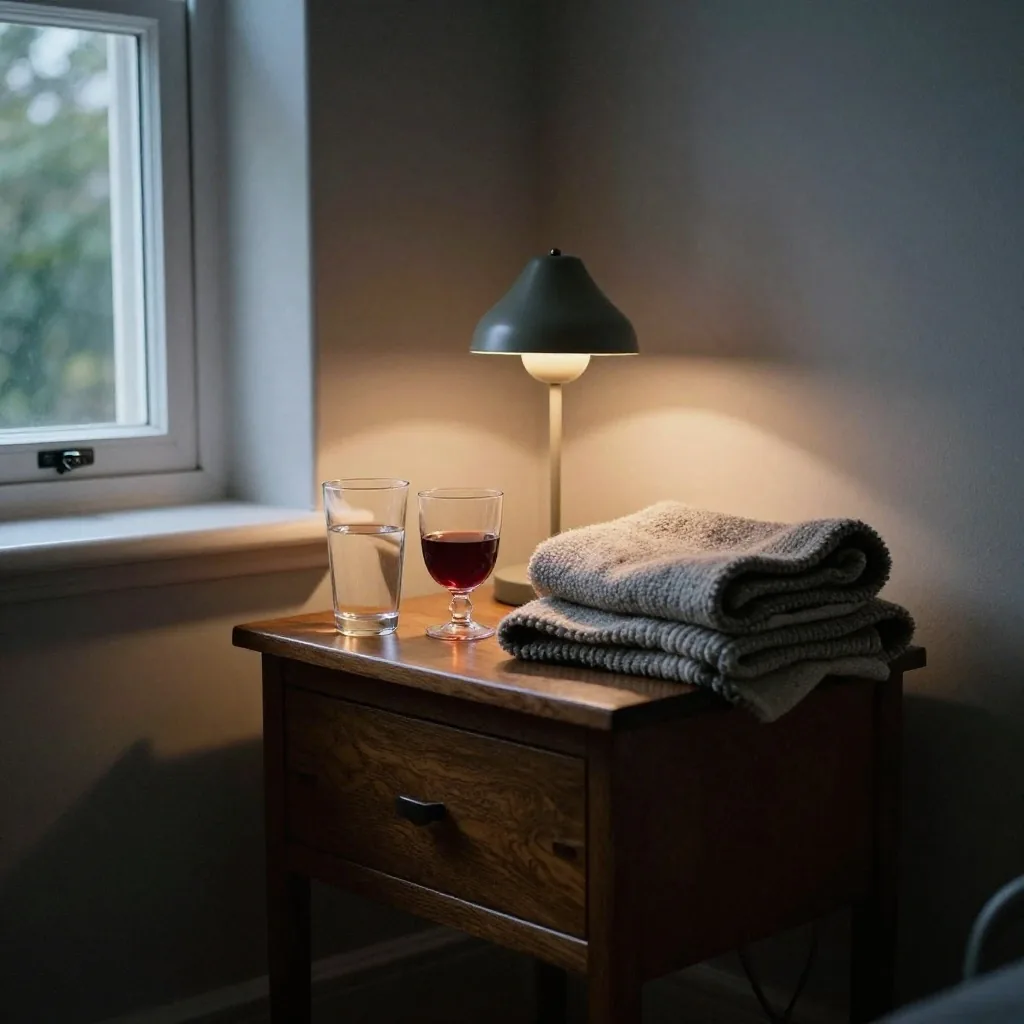
Caffeine has a long tail. A four o’clock coffee can still be working at ten, even if you fall asleep without trouble. Alcohol helps people fall asleep and then fragments the second half of the night, which is why a heavy evening drink often produces a tired morning.
A week of small changes, in order
-
Days 1–3
Move your last coffee to early afternoon. Keep everything else exactly as it is, so you can tell what changed.
-
Days 4–7
Keep that, and cap evening alcohol at one small drink, finished at least a couple of hours before bed.
-
Weekend
Hold both on Saturday and Sunday. Weekend slippage is the most common reason a week of good sleep disappears.
-
After that
Write down what you notice. Effects are gradual, and easy to miss unless you have something to compare against.
The anchor habit
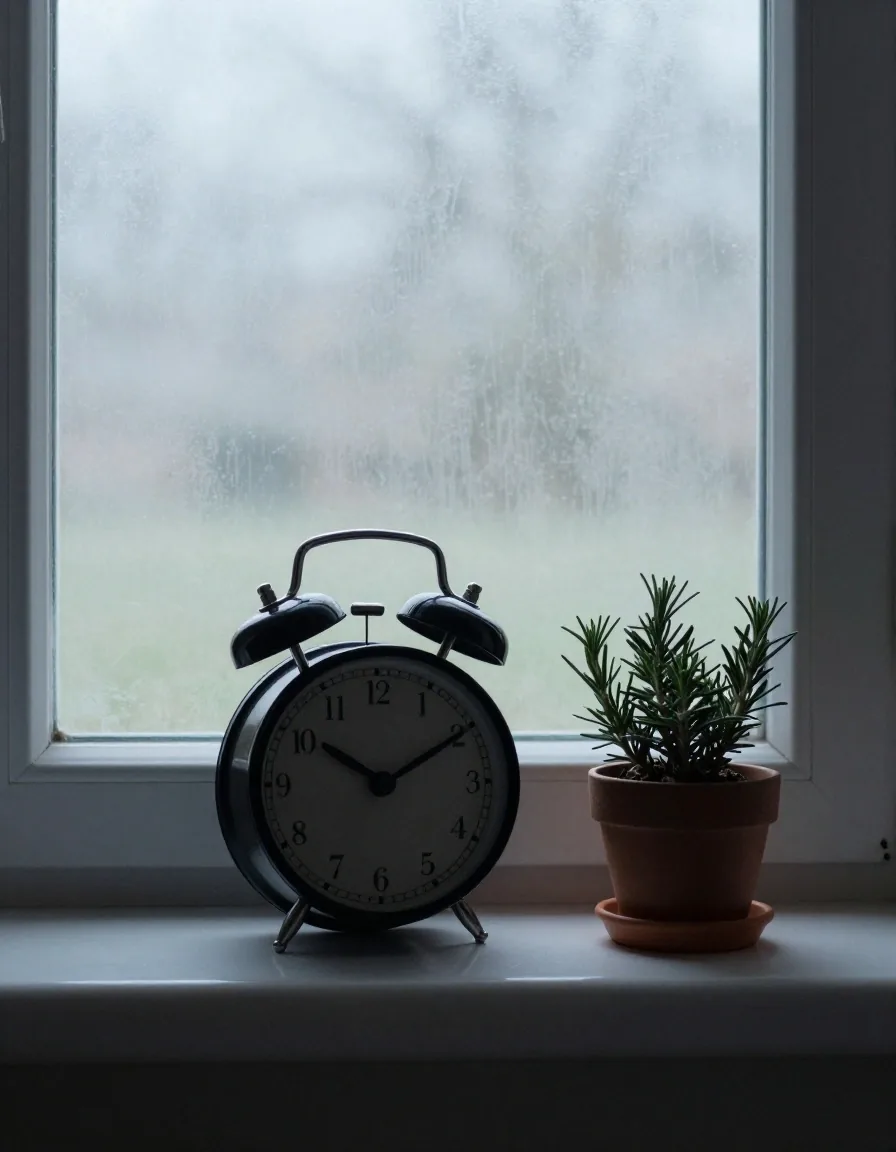
Keeping a consistent wake time
The single most useful habit is a steady wake time, seven days a week, including weekends. It anchors your body clock in a way that bedtime cannot, because you cannot force sleep — but you can choose when to get up. Shift workers and parents of young children cannot always manage this, and the next best option is to protect whatever sleep window you do have.
If your days are fixed
Pick one time and defend it on Saturday too. The weekend lie-in is usually what undoes the working week.
If you work shifts
A fixed wake time may not be possible. Protect the sleep window you do get — same darkness, same quiet, same wind-down before it, whatever the clock says.
Three in the morning
When you wake in the night
Waking briefly is normal. Lying awake and frustrated is what turns it into a problem. What helps is having a plain, boring plan ready before it happens — so you are not deciding anything at three in the morning.
-
If you are still awake after twenty minutes or so, get up rather than staying in bed and bargaining with it.
-
Keep the lights low and do something dull — a chair, a low lamp, a chapter you have already read — until you feel sleepy again.
-
Watching the clock makes it worse. Turn it away from the bed, or cover the display.
-
If night waking is persistent and affecting your days, that is worth raising with your GP. Our guidance sits alongside that conversation, not in place of it.
Between the nights
Recovery during the day
Recovery is not only what happens at night. What you do between waking and bedtime decides how much tiredness accumulates by Friday.
Daylight early, and outdoors
A short walk outdoors in the morning, before the day takes over, helps set your body clock for the night ahead. Ten minutes on the way to the bus counts. It does not need to be exercise, and it does not need to be long — the point is daylight on your face at roughly the same hour each day, which is the signal your body uses to time everything else.
If mornings are impossible, a lunchtime walk still helps, just less. What matters most is that some of your daylight arrives before the afternoon rather than all of it after work.

A real break at lunch
Twenty minutes away from a screen reduces the accumulated tiredness that builds through a working day. Eating at your desk is not a break, even when the food is good.
Naps: short and early
Naps can help if they are short and taken early in the afternoon. They tend to cause trouble when they run long or late, because the pressure to sleep at night has already been spent. Set an alarm, and keep it under half an hour.
Making it stick
Building a routine you will keep
Change one thing and hold it for two weeks: a consistent wake time, no caffeine after lunch, or a wind-down routine. Write down what you notice, because the effects are gradual and easy to miss. Sleep responds to rhythm more than to effort, and the routines that last are the ones boring enough to repeat on a bad day.
Two-week plan
Choose one change
One change at a time, held for a fortnight. If you change three things at once, you will not know which one helped.
What is included
- A single, written change to test
- A two-week window before judging it
- A short note on what to record
- A review of what changed, and why
Two-week plan
When it does not work
Not every change suits every household. Night shifts, young children and shared rooms all change what is realistic.
Where it stops being ours
- Loud snoring or breathing pauses at night
- Daytime sleepiness that does not lift
- Sleep that has been poor for months
- Any concern your GP should hear first
Before you start
Questions we get asked about sleep routines
Do I have to give up coffee entirely?
No. The timing matters more than the amount for most people. Try moving the last cup to early afternoon for a fortnight and see how the week feels before deciding anything permanent.
Is a bedtime routine really necessary, or is it just a habit for other people?
It works because it is repeated, not because it is special. Washing up at the same time each night does the job as well as anything more elaborate, provided you keep doing it.
Does this replace seeing my GP?
No. This is everyday guidance on routines and environment. Persistent sleep problems, loud snoring, breathing pauses, or sleepiness that affects your days belong with your GP, and our guidance sits alongside that conversation rather than replacing it.
Is it worth tracking my sleep in an app?
A short written note is usually enough: what you changed, and how the following week felt. Detailed tracking can be useful, but watching a score every morning often adds worry without adding much.
Can a nutritionist help with sleep at all?
Sleep and eating affect each other, so we look at both together. Sometimes the most useful change is on the sleep side — the evening meal, a late coffee, the shape of the day — and no change to the food itself is needed.
Where to go next
Keep reading, or bring us your week
If sleep is one part of a wider pattern — low energy by Thursday, irregular meals, a habit you have been meaning to change — the pages below cover the rest of it.
Talk it through
Bring your evenings, and we will look at the week around them
A consultation is a conversation about your routine, not a set of rules handed down. We look at sleep, meals, energy across the day and what your week actually looks like — then agree on one or two changes worth testing.
Where we are
22 George Square, Old Town,
London, W1G 9PP, United Kingdom
Opening hours
Monday to Friday: 9:00 AM – 6:00 PM
Saturday: 10:00 AM – 2:00 PM
Sunday: Closed
Get in touch