

Nutritionist advice for steadier days and better sleep
Written guidance on eating, sleep, energy and long-term body care for adults in the United Kingdom — plus a consultation when you want it tailored to you.
What this practice is, and what it is not
Sleep Recovery Balance is an online practice for adults in the United Kingdom who want practical guidance on eating, sleep, energy and long-term body care. You will not find a diagnosis here, or a promise that one food fixes everything. What you will find is written guidance from a nutritionist, organised around the parts of the day you actually control: breakfast, the afternoon slump, the wind-down hour, the weekly shop.
Most people arrive with the same handful of complaints. They are tired by mid-afternoon. They sleep, but wake unrefreshed. They eat reasonably well and still feel flat. Our job is to help you look at those patterns with fresh eyes, then change two or three things at a time. Start anywhere on this site. The guidance is free to read, and a consultation is there if you want it tailored to you.
- Guidance you read at your own pace, in your own kitchen
- A consultation when you want it tailored to your circumstances
- Clear limits on what nutrition advice can and cannot do
Three doors into the same afternoon slump
If you only read one page, read the nutrition guidance. It covers how to build meals that hold their energy for three or four hours rather than one, and why the order you eat things in matters less than people claim. None of these pages ask you to overhaul your life on a Monday morning.
Eating for energy, not for rules
Balanced eating is not a list of banned foods. It is a structure: protein at breakfast, fibre through the day, regular meals rather than long gaps followed by a raid on the biscuit tin. We explain how to build that structure around a UK supermarket, a packed lunch, or a household where you are cooking for three different appetites.
The sleep half of the picture
You can eat well and still feel exhausted if your sleep is broken. Our sleep guidance focuses on the hour before bed and the environment you fall asleep in — light, temperature, caffeine timing and a consistent wake time, kept realistic for shift workers and parents of young children.
Preventing the dips before they set in
Fatigue prevention is mostly about rhythm: meals at roughly the same times, hydration through the working day, movement that does not leave you wiped out, and a genuine rest period rather than scrolling. Small, repeatable adjustments beat dramatic resets that last a fortnight.
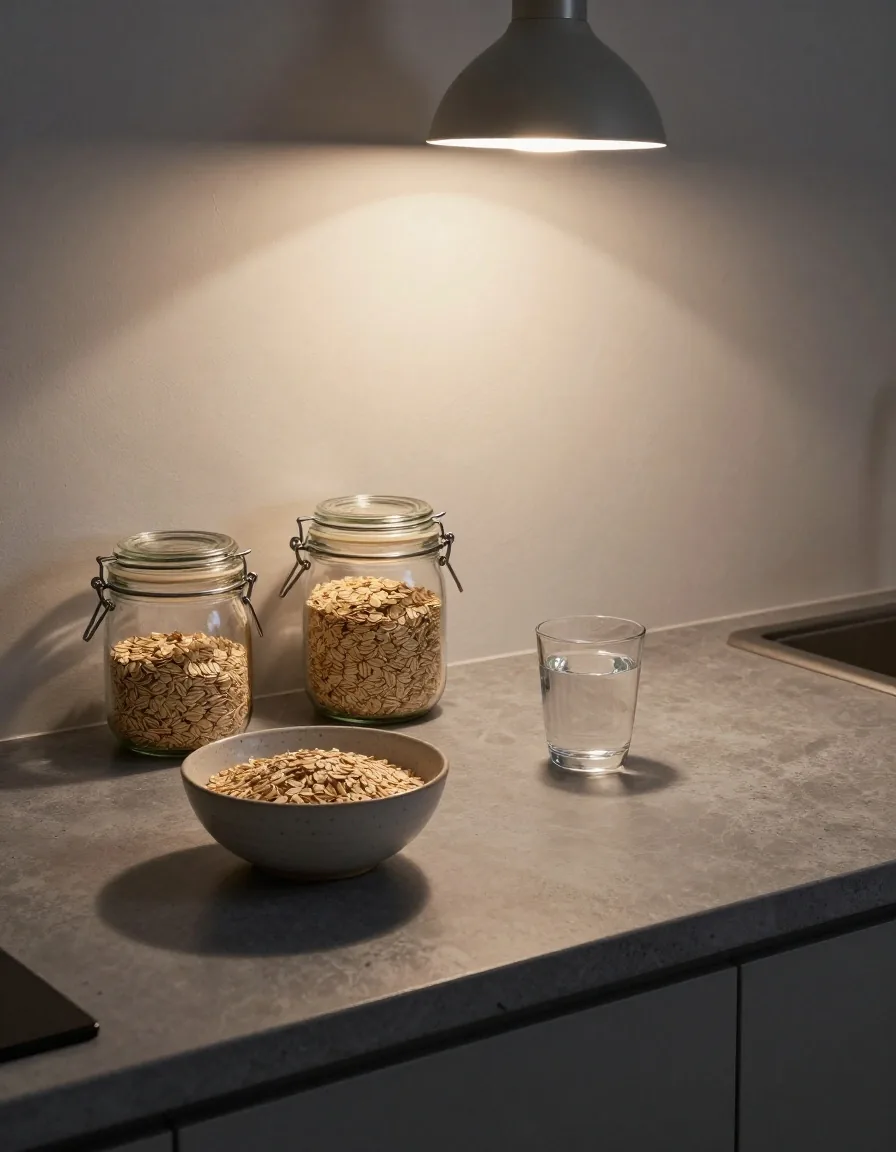
What actually changes how you feel by Thursday
Longevity guidance on this site is deliberately unglamorous. Strength and mobility work you will still do at seventy. Protein and calcium as you age. Sleep you protect rather than sacrifice. Body care that means looking after joints, posture, skin and feet, not chasing a number on a scale. These are the habits that compound quietly over years.
- Breakfast
- A protein anchor in the first meal tends to carry people past the mid-morning reach for something sweet.
- The afternoon dip
- Meal timing, water and a short walk outside usually move more than a second coffee. We help you test which one is missing.
- The wind-down hour
- Light, room temperature and caffeine timing are the levers most people overlook. None of them need new equipment.
- The weekly shop
- UK food labels, typical supermarket ranges and a household cooking for several appetites — the structure has to survive a real trolley.
Where these routines actually happen
Ordinary rooms, ordinary evenings. None of the habits we write about need a gym membership, a supplement cabinet or a second fridge.


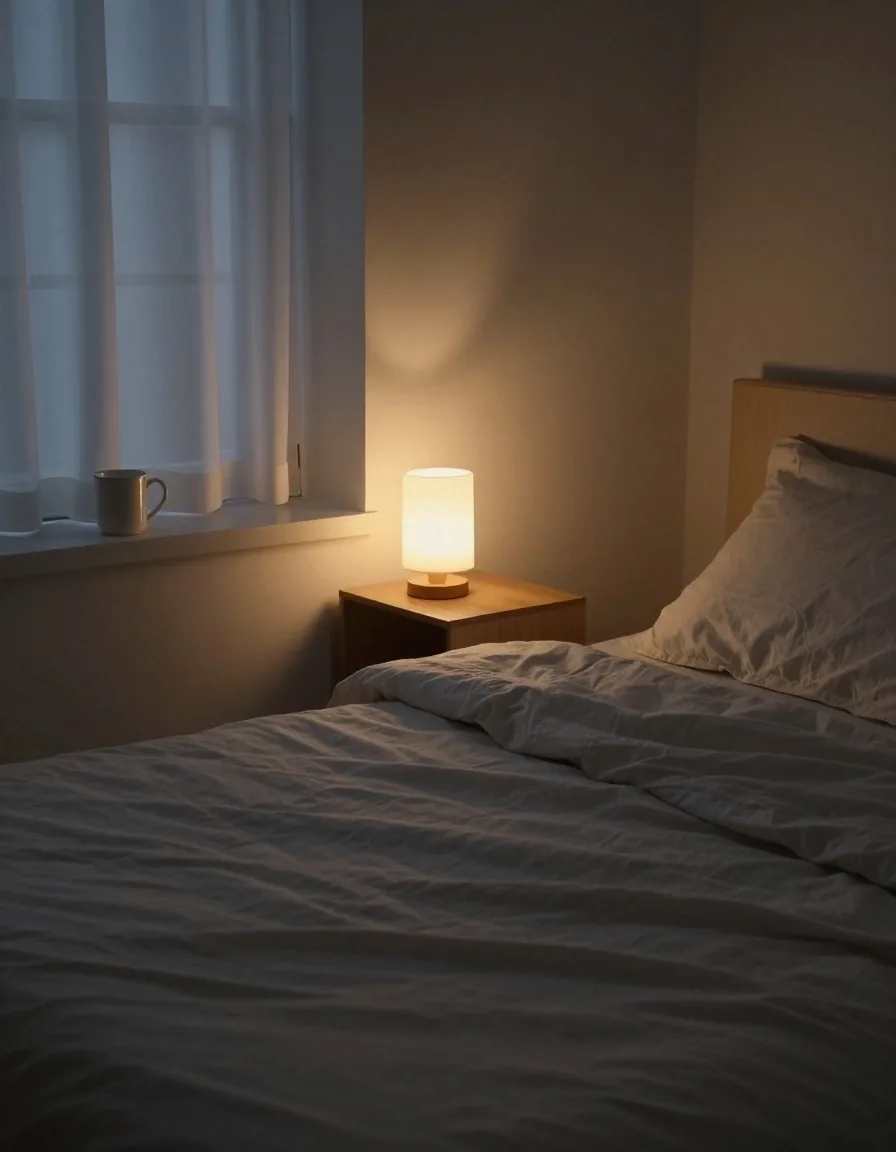
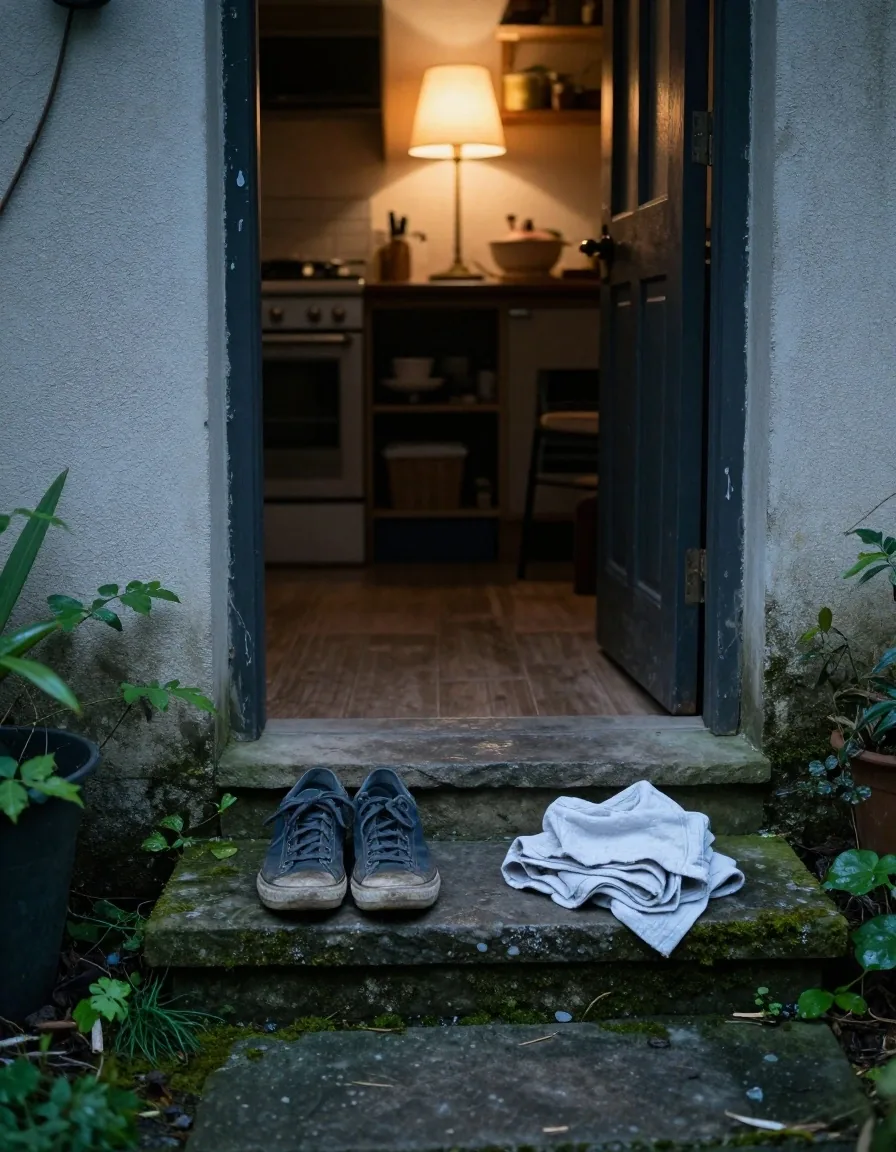


Habits that compound quietly: strength you keep, sleep you protect, and meals that fit the week you actually have.
Illustrative scenes from ordinary UK homes and gardens.
Who this guidance is for
Our readers are adults in the UK, generally between thirty and seventy, who want sensible answers without a clinical referral. Some are managing a busy job and a family. Some are recently retired and want to stay strong. Some have simply stopped sleeping well and want to understand why. We write for all of them in plain English, with UK measurements, UK food labels, and UK seasons in mind.
How the guidance is kept honest
Every article is reviewed before it goes live and revisited when the evidence shifts. We separate what is well established from what is promising but uncertain, and we say so in the text rather than hiding behind confident language. If something is contested among researchers, you will read that it is contested.
How we keep guidance usefulThree steps, and one honest boundary
-
1
Pick one area, not all of them
Two weeks on breakfast and lunch timing will teach you more than a month of reading.
-
2
Write down what you ate and when you slept
Without judging it. A plain note on meals, water and wake time is enough to see the pattern.
-
3
Change one variable and hold it a fortnight
That pace is slower than most people want, and it is the reason it tends to stick.
- We do not diagnose conditions, prescribe medication, or replace your GP.
- We do not sell supplements or run a diet programme with a fixed menu.
- If your symptoms need medical attention, we will say so and point you to the right place.
Our role is the space between "eat better" and a clinical appointment, and we stay in it.
A conversation about your week, not a diet to follow
Sometimes the useful step is simply describing your week to someone who asks the right questions. A consultation is a conversation about your meals, sleep, work pattern and energy across the day, followed by written suggestions you can act on.
There is no fixed diet to follow and no obligation to continue. If you are unsure whether it is worth it, send a question first and see how we answer.
- Mon–Fri 9:00–18:00, Sat 10:00–14:00
- +44 131 496 0342
- [email protected]
Send a question first
If you would rather test the water before booking anything, write to us with the routine you are trying to change. We will tell you plainly whether our guidance is the right fit.
Before you start reading
Short answers to the questions that arrive most often. If yours is not here, the contact page is the quickest route to us.
Do I need a referral to use this site?
No. The written guidance is free to read, and a consultation does not require a referral from your GP.
Is this medical advice?
No. It is educational nutrition and lifestyle guidance for adults. It does not diagnose or treat conditions, and it does not replace care from your doctor.
Can you help if I already take medication?
We can discuss general eating and sleep habits alongside your existing care, but any change to medication is a conversation for your GP or pharmacist.
How quickly would I notice a change?
Meal timing and sleep routine often shift how you feel within a week or two. Longer-term habits, such as strength and bone health, work over months and years.
Do you sell supplements or meal plans?
No. We do not sell supplements, and there is no fixed meal plan to buy.
Start with the page that matches your week
Reading the nutrition guidance is the most common first step, and it links out to sleep, fatigue and body care as you need them. If you would rather have a person look at your routine, a consultation starts with a description of your ordinary week.
Where to find us
Sleep Recovery Balance22 George Square
Old Town, Edinburgh
EH8 9LD, United Kingdom
Consultations are held online; the Harley Street address is our practice base for correspondence.
- Monday to Friday9:00 – 18:00
- Saturday10:00 – 14:00
- SundayClosed